Key Fort Collins Investment Real Estate Trends for 2026
February 19, 2026
February 19, 2026
Is Fort Collins still a smart place to buy an investment property in 2026? If you are weighing cash flow against appreciation and regulation, you are not alone. The local market has cooled from the frenzy, but demand drivers and steady rent fundamentals remain in place. In this guide, you will learn the latest pricing and rent data, cap rate ranges, segments to watch, and how local rules can shape your returns. Let’s dive in.
Fort Collins home values have leveled. Zillow’s typical home value for the city was about $548,500 as of January 2026, a modest year-over-year dip. Different sources show small variations because they track different metrics. The key takeaway is a stable pricing band and fewer rapid jumps than the 2020 to 2021 boom.
Tempo has eased as well. Recent snapshots show a median time to pending around 75 to 90 days, which gives you more time for due diligence and negotiation than in recent years. On the supply side, Larimer County continues to grow, with a county population near 375,000 and Fort Collins around 171,000. Population growth supports long-term rental demand, but added building permits mean you should watch submarket supply closely. You can explore population context in the latest U.S. Census QuickFacts.
Average asking rents sit in a healthy range. As of February 2026, RentCafe reports an average apartment rent near $1,935 per month in Fort Collins. Other indexes like Zillow ZORI and Zumper often show readings in the mid 1,700s to 1,900s depending on bedroom mix and dataset. Expect normal variation across providers and always compare like-for-like unit types. See current summaries on RentCafe’s Fort Collins trends page.
Vacancy remains relatively tight for Northern Colorado. Regional multifamily summaries put vacancy in the low to mid single digits, with a recent reference point near 5.4 percent for Northern Colorado in early 2025. Fort Collins often runs at or below regional averages, though pipelines and submarket differences matter. You can review broader regional context in this Northern Colorado market overview.
Cap rates in Larimer County depend on asset size, condition, and risk. Local listings and broker commentary show a band of roughly 5.0 to 7.0 percent for multifamily and commercial assets in Northern Colorado. Larger and newer properties tend to trade at tighter caps, while smaller or value-add buildings price wider.
One helpful benchmark is an institutional sale just south of Fort Collins. Centerspace acquired the 303-unit Lake Vista in Loveland for about $94.5 million in October 2023, which market commentary referenced around a low 5 percent cap rate. You can see the transaction disclosure in Centerspace’s 2025 annual filing.
For small investors, typical bands look like this:
Financing costs also matter. As lending rates shifted between 2022 and 2025, apartment cap rates in Colorado clustered near the mid 5 percent zone. Expect cap rates to respond to debt pricing and lender spreads. For a quick look at loan market context, see this overview of Colorado apartment financing trends.
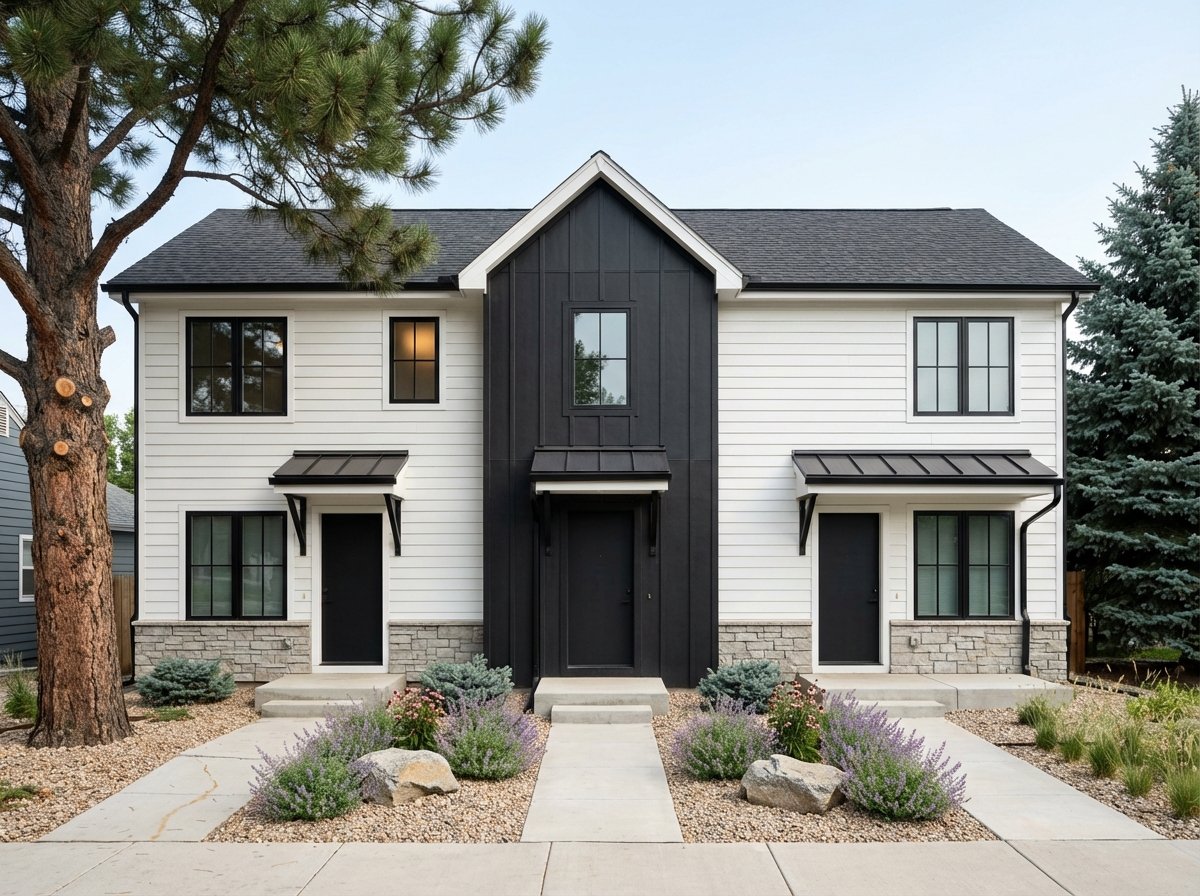
Duplexes, triplexes, and four-plexes offer an accessible entry point with better per-door economics than single-family rentals. You can target neighborhoods with steady renter demand from young professionals, hospital staff, and graduate students. Expect moderate caps and the chance to add value through light renovations or professionalized management.
Townhomes appeal to renters who want a bit more space and a garage while staying close to Old Town and transit. Exterior maintenance often falls under the HOA, which can reduce your workload. Build HOA dues into your underwriting because they can compress net operating income even when gross rents look strong. For neighborhood and lifestyle context, explore Apartments.com’s local guide to compare product types and features.
Condos can be a fit for long-term rentals but tend to deliver tighter yields due to purchase price and HOA layers. Review HOA rental policies in detail and compare net numbers against small-multifamily options. Unit-level comps matter more than averages in this category.
Colorado State University anchors a large, seasonal renter base. Leasing by the bedroom can lift gross rent per unit, but it also adds turnover, furniture costs, and management intensity. Institutional projects continue to track this segment, underscoring stable demand. Read more regional context in this Northern Colorado multifamily brief.
Fort Collins allows short-term rentals under a licensing framework, but there are important limits. STR use is not allowed in standard R-2 multifamily buildings such as most condos or apartments unless the property meets R-1 hotel or motel standards. Whole-house and owner-occupied STRs are permitted in certain zones with licensing, parking, and tax requirements. Review the city’s official short-term rental guidance before modeling revenue.
Northern Colorado saw a construction wave, but Fort Collins proper delivered fewer Class A units than some nearby areas. That slower pace has supported rent resilience in select submarkets. Where there are clusters of new deliveries in outer suburbs, watch for localized rent pressure and higher vacancy. For a regional snapshot, see this market overview for Northern Colorado.
Properties near CSU often follow an academic calendar with leasing peaks before fall term and higher turnover at semester breaks. Workforce and professional renters usually show longer leases and steadier renewals. Adjust your rent assumptions and expense reserves to match the likely tenant mix.
Licensing, zoning, and HOA rules can make or break certain strategies. Confirm your STR eligibility early, verify HOA policies for condos and townhomes, and factor potential property tax changes into your operating budget. Keep an eye on county notices for valuation updates at Larimer County’s announcements.
Most small investors use residential financing for 2 to 4 units, while larger assets require commercial loans and different underwriting. Your eventual buyer pool affects exit pricing and cap rate expectations. Line up lender quotes early and underwrite with conservative debt assumptions to keep options open.
The bottom line: Fort Collins remains a data-driven investor market. Rents are stable, vacancy is manageable, and cap rates provide room for selective opportunities. If you underwrite carefully, watch regulations, and target the right tenant base, you can find durable returns in 2026.
Ready to evaluate a property or build a local portfolio plan? Connect with the team at Bison Real Estate Group for neighborhood-level comps, on-the-ground insights, and a clear strategy for your next move.
Stay up to date on the latest real estate trends.